
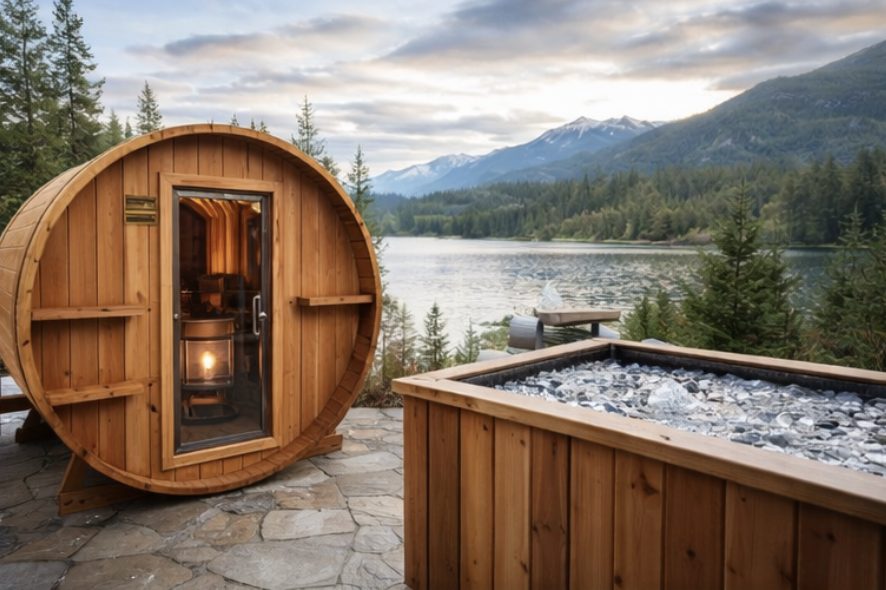
Across the world, people are rediscovering the benefits of alternating heat and cold. The combination of a sauna session followed by a cool or cold plunge has been part of traditional bathing cultures for generations, and it is now becoming a core part of modern recovery and wellness routines.
While research is ongoing, many people who use sauna and cold exposure regularly report improved energy, better sleep, reduced soreness, and a stronger sense of resilience.
1. Key Benefits of Sauna Use
A sauna session gently stresses the body in a controlled way, encouraging it to adapt and bounce back stronger. Some commonly reported benefits include:
- Muscle recovery: Warmth increases blood flow, which can help deliver oxygen and nutrients to tired muscles.
- Stress relief: The quiet, enclosed space of a sauna encourages you to slow down and breathe, which many people find deeply calming.
- Improved sleep: Some users notice that a sauna in the late afternoon or evening helps them fall asleep more easily and sleep more deeply.
- Support for circulation: Heat causes blood vessels to dilate, encouraging healthy blood flow throughout the body.
2. What Cold Exposure Adds
Cold exposure — whether a cold shower, plunge tub, or natural body of water — creates almost the opposite effect:
- Blood vessels constrict and then open again as you warm up.
- Breathing becomes more deliberate as you learn to stay calm in the cold.
- Many people report a noticeable boost in alertness and mood after even short cold sessions.
The contrast between heat and cold encourages your cardiovascular system and nervous system to become more adaptable over time.
3. How to Structure a Simple Hot–Cold Session
A straightforward way to combine sauna and cold exposure looks like this:
- Heat: 8–12 minutes in the sauna.
- Cold: 30–90 seconds in cool or cold water, or a cold shower.
- Rest: Sit, breathe, and let your heart rate recover.
Repeat this cycle 2–3 times based on how you feel. Some people prefer to end on heat for relaxation and sleep, while others like to finish on cold for a more energizing effect.
4. Who Benefits Most?
Almost anyone can enjoy gentle sauna use, but hot–cold therapy is particularly popular with:
- Runners, cyclists, and strength athletes looking to recover between training sessions.
- Busy professionals who need a reliable routine to switch off from work and manage stress.
- People focused on sleep and recovery rather than high-intensity exercise.
5. Safety Basics
As with any wellness practice, safety comes first:
- Do not use sauna or cold exposure if you feel unwell, dehydrated, or extremely fatigued.
- If you have cardiovascular or medical conditions, talk with your healthcare provider before starting.
- Always get in and out of cold water carefully, especially if surfaces are wet or slippery.
- Never do breath-holding exercises while in water.
6. Making Hot–Cold Therapy Part of Everyday Life
The easiest way to make this routine stick is to integrate it into your environment. A dedicated sauna and plunge setup at home turns what could be a once-in-a-while treat into a weekly or even daily ritual.
For many people, that means:
- A cedar sauna that heats consistently and comfortably.
- A simple plunge tub, barrel, or cold shower setup nearby.
- Hooks, benches, and lighting to make the area easy and inviting to use.
Helpful Next Reads
To go deeper, you may want to read:
- How to Sauna: A Simple Guide for Beginners
- Why Western Red Cedar Is the Best Material for Saunas
- Benefits our clients are seeing from their custom sauna builds
Ready to Build Your Own Hot–Cold Setup?
If you are considering a sauna and cold plunge at home, a well-planned layout and quality materials will make the space comfortable, durable, and enjoyable in all seasons.
Request a free estimate to explore options for bringing hot–cold therapy into your own backyard.